
Feature Story
What Building Software Reminded Me About Building Rifles
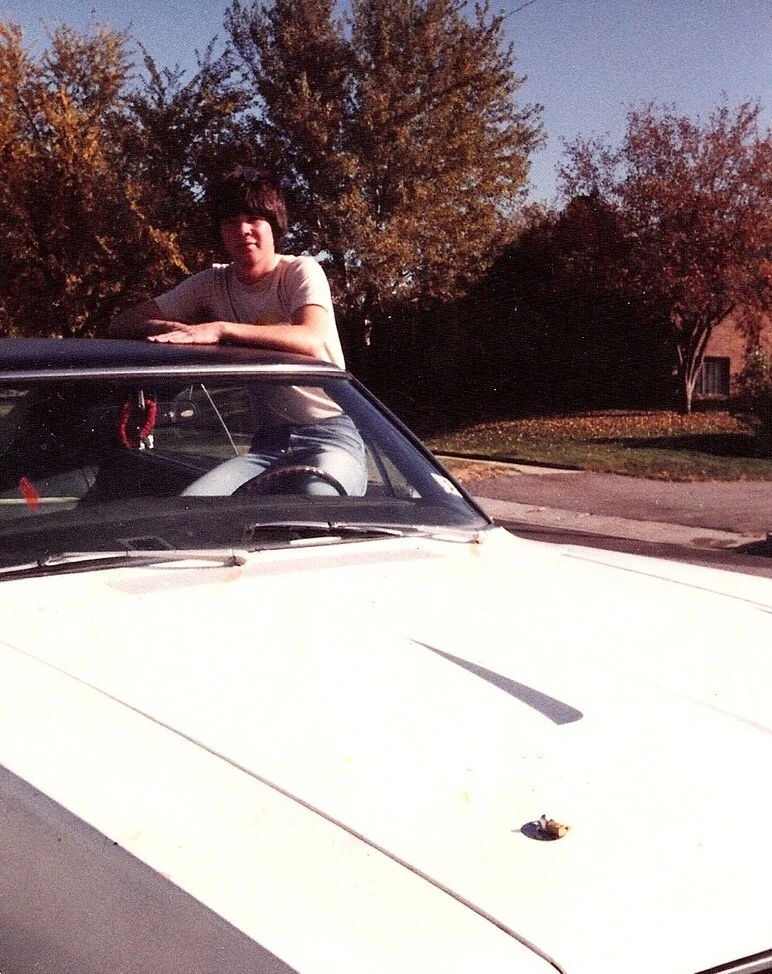
I grew up around people who could fix things.
My father and uncles were terrific shade-tree mechanics, mostly because necessity demanded it. When something broke, the answer wasn't always to replace it or take it to someone else. You opened it up, figured out what wasn't working, and did what you could to put it right. I learned by watching, handing over tools, asking questions, and eventually helping.
My father was also a gunsmith during one chapter of his life. In the early 1980s, he operated a gun shop in Corsicana, Texas. My first lever-action rifle, a Browning BL-22, came from that time. I still have it.
Over the years I inherited other firearms from my father and grandfather. I've rebuilt some of them, worked to improve their accuracy, and brought them back into use. They're part of my family's story, but they're not museum pieces. I like that they still have work to do.
Long before I built software systems professionally, I was tinkering with rifles, learning how their components worked together and how small changes could affect the performance of the whole. I didn't have a name for that way of thinking. It was simply how I'd learned to approach mechanical things.
When I later began building complex digital systems, I recognized something familiar in the open-source software ecosystem. Different materials, different tools, but many of the same principles. And eventually, those lessons would come full circle at Driftwood Western.
An education in systems
At Bluespark, the digital agency I founded, we build complex websites and applications using open-source software platforms. We didn't need to invent a new programming language or create every underlying component. We needed to understand the tools available, how they fit together, where their limits were, and what our clients actually needed the finished system to accomplish.
Open-source ecosystems offered extraordinary possibilities. They also offered an extraordinary number of choices. Having access to components was not the same as knowing which ones belonged in a particular solution.
That was our work: define the problem, choose the architecture, integrate the pieces, test the result, and remain accountable when something didn't work as expected.
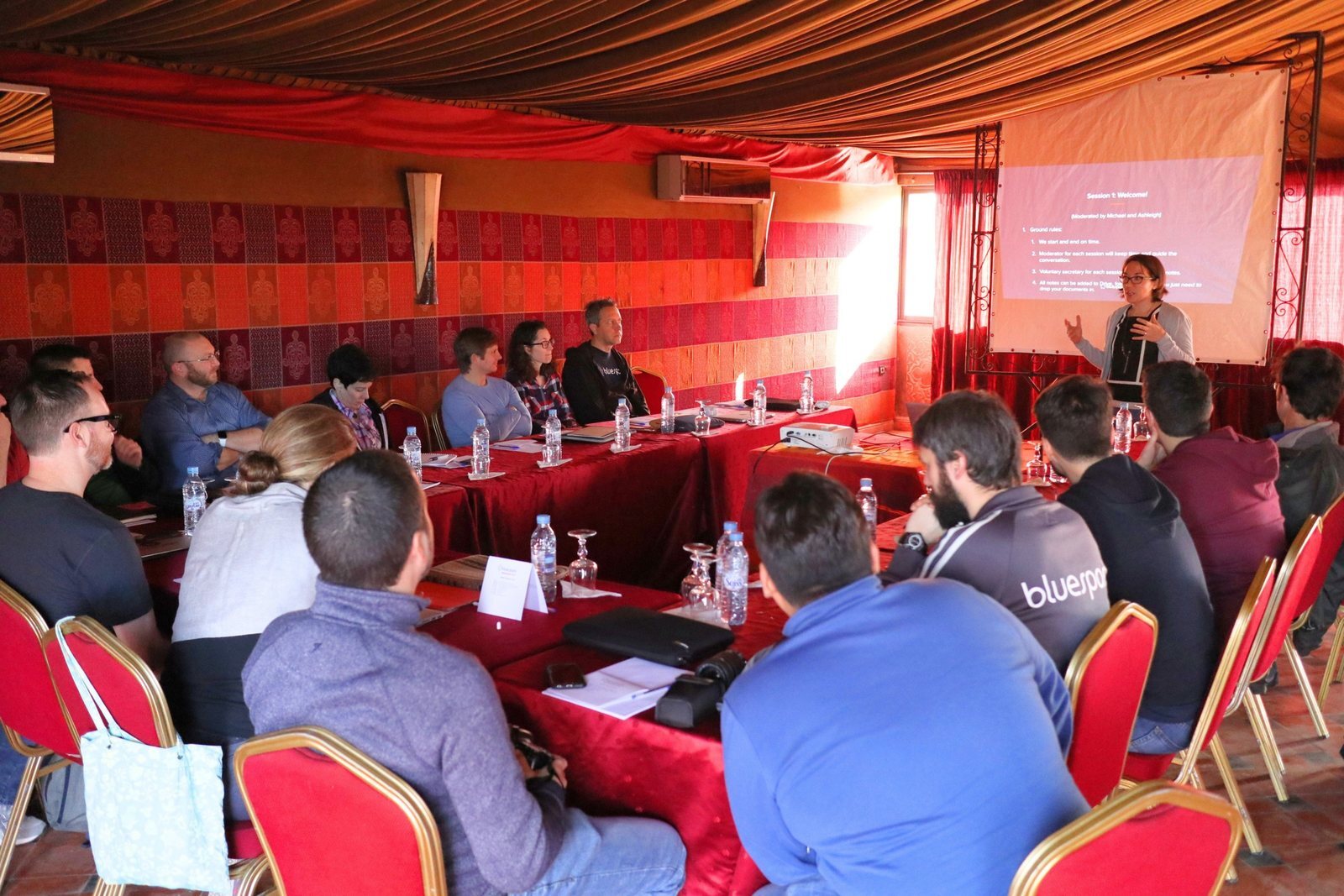
I came to appreciate that good systems are not simply collections of good components. They depend on the relationships between those components. A decision that looks excellent in isolation can be wrong for the system as a whole.
I learned something else along the way. A founder can become so attached to a particular solution that he loses sight of the problem he was trying to solve. Sometimes you believe the business needs X, and circumstances put Y in front of you instead. There are moments when insisting on X is determination. There are others when it's stubbornness.
Looking back, I believe that recognizing an unexpected opportunity—and being willing to change the route without abandoning the destination—can be the difference between a business moving forward and never getting off the ground.
That lesson has stayed with me. I want Driftwood Western to have strong convictions about purpose, but flexibility about how we achieve it.
A familiar architecture in an unexpected place
When I began working seriously with modern rifle platforms, the parallels were hard to miss.
The AR platform has a deep ecosystem of compatible components and established specifications. The Ruger 10/22 has its own remarkable aftermarket. Lever-action rifles offer a different, growing universe of possibilities, while precision bolt-action platforms are the next area we're exploring.
These platforms are not identical, and they aren't all modular to the same degree. A lever gun may demand very different fitting and engineering judgment than an AR. The analogy to open-source software isn't literal, either. But the systems-thinking carries across.
A barrel may be excellent. So may a trigger, stock, optic, or suppressor. That doesn't mean putting all of them together automatically produces an excellent rifle.
The question is always: excellent for what?
A rifle intended to be carried all day should be judged differently from one intended for deliberate shooting from a supported position. A compact, suppressed-first design asks different questions than a traditional lever action. A rimfire built for practical accuracy needs its own balance of weight, handling, reliability, and precision.
At Driftwood Western, the platform is a starting point. The finished rifle is a system. We begin with a purpose, make choices around that purpose, then test and refine the whole.
Sometimes the right decision is a specialized component. Sometimes it's leaving a proven factory part exactly where it is. Either way, the decision should have a reason.
Judgment is the product
I don't believe every part of a great rifle has to be manufactured under the same roof. We work within ecosystems of manufacturers who have spent years developing their own expertise. Our responsibility is to understand those choices well enough to compose something coherent.
That's what I mean by Systems Architecture.
It involves research, selection, compatibility, balance, integration, and validation. It also involves knowing when to say no. More accessories, more complexity, or a higher price do not automatically make a rifle better.
Our customers can find many of the same individual components. What Driftwood Western aims to provide is confidence in the decisions behind the complete rifle.
We exercise judgment so our customers don't have to make every decision themselves.
A publication, not just a catalog
I had another business running alongside Bluespark for a time: Italy Magazine. Initially a customer, then an acquisition. It taught me a different but related lesson about the power of stories and shared interests.
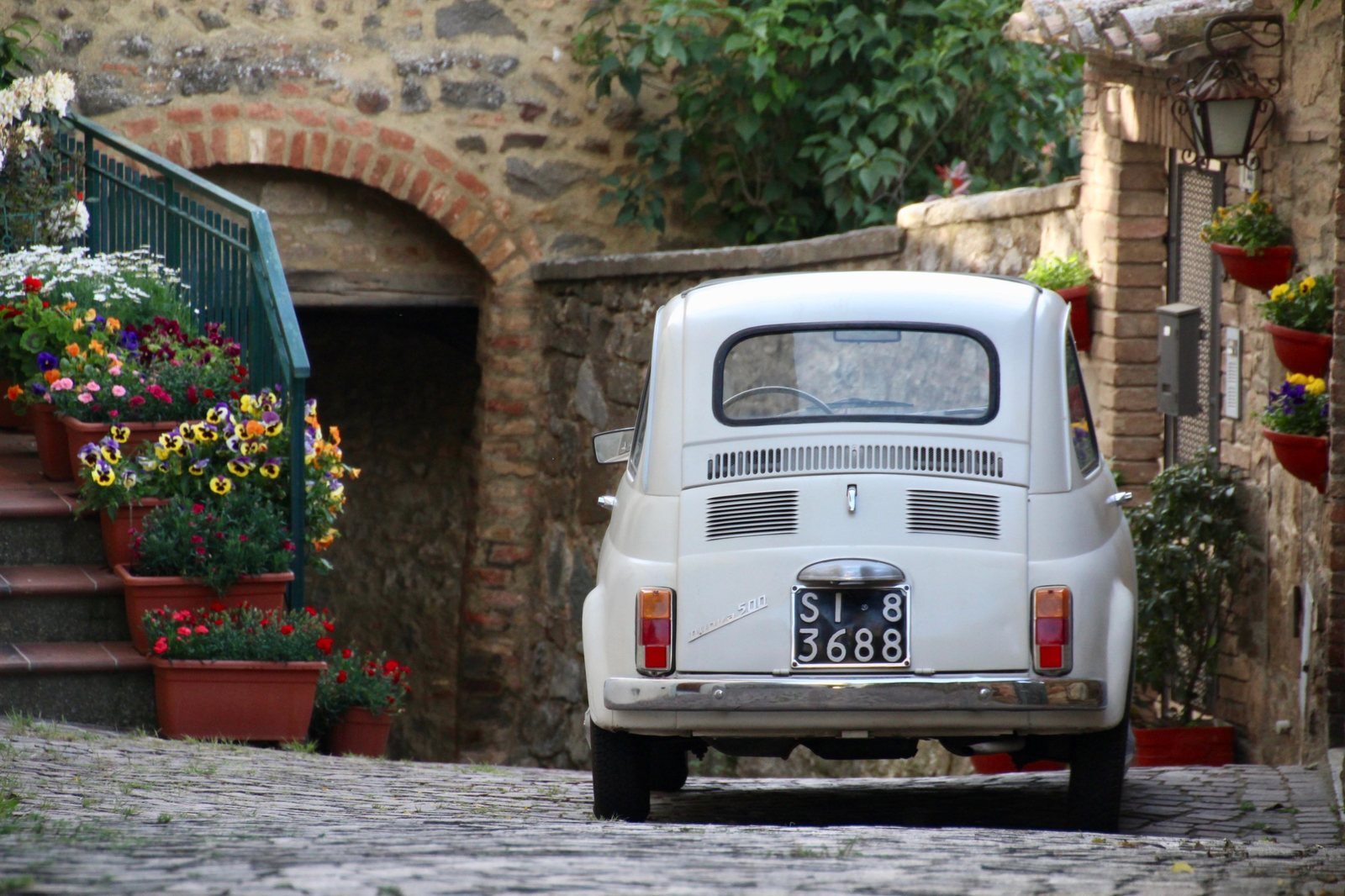
A publication can bring people together around a place, a way of life, or an aspiration. You don't have to live in Italy to feel connected to its culture. And you don't have to own a ranch to appreciate the independence, craftsmanship, practicality, and connection to the outdoors associated with the American West.
That's part of why Driftwood Western has a Journal. I want to document what we build, certainly, but also why we build it, what we learn, and the people and places that shape our thinking. The stories should have value even to someone who never commissions a rifle.
What comes around
I still think about those early lessons watching my grandsfathers, father and uncles solve mechanical problems. Their approach wasn't complicated: understand the machine, pay attention, and make the repair count.
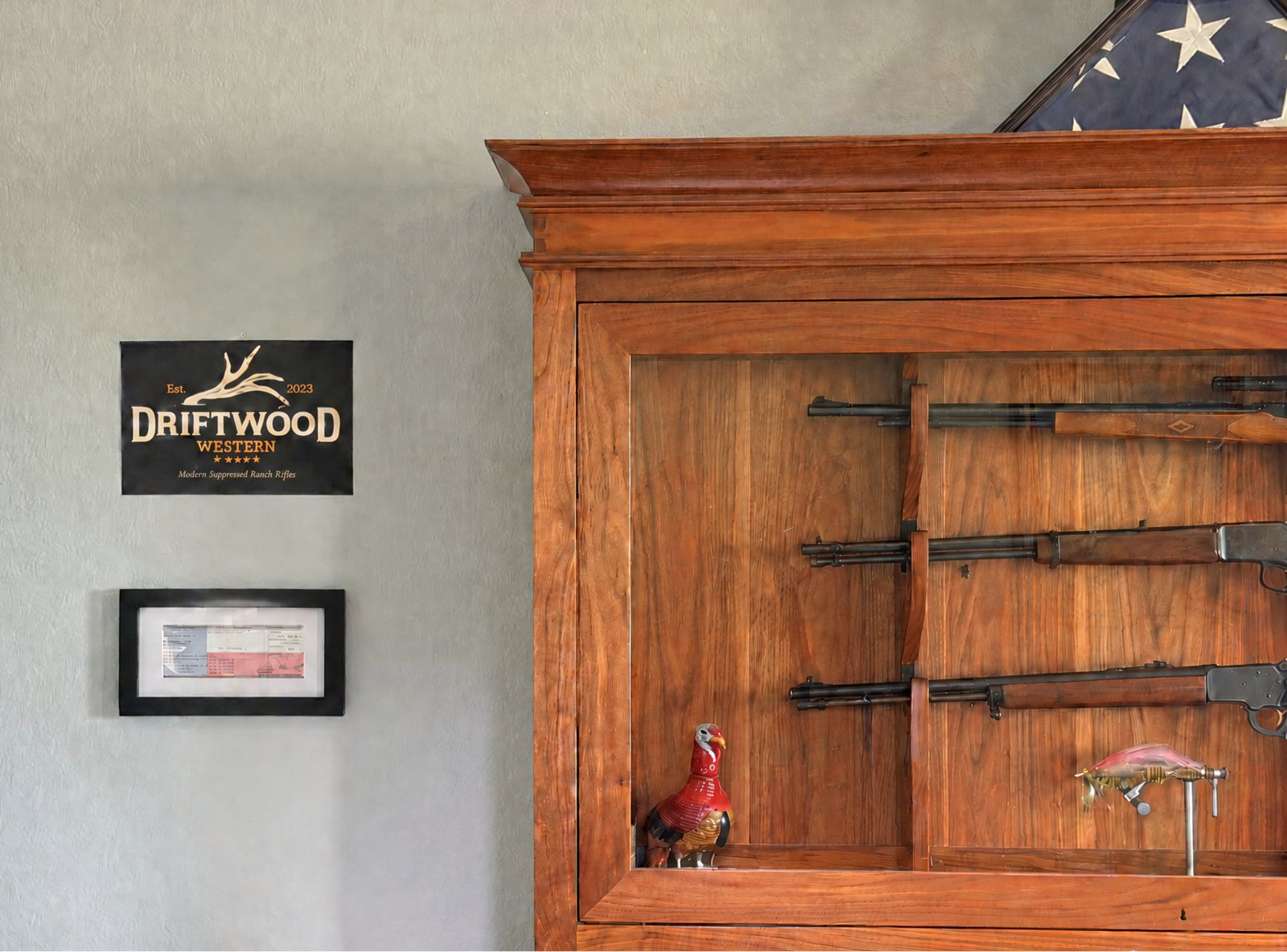
In my Driftwood Western office today, there's a wooden gun cabinet holding three rifles that connect me to different generations of my family: my grandfather's old Marlin Model 60, the Browning BL-22 that came from my father's gun-shop years, and Dad's Marlin 39A. All chambered in .22LR, and all were instrumental in me learning proper gun safety and building shooting skills as a boy and a young man.
They've been around a lot longer than Driftwood Western. I hope they'll still be around long after me.
That's part of what enduring values means to me. Good tools deserve to be used, cared for, and passed along.
Software gave me another language for a way of thinking I'd learned much earlier. Entrepreneurship taught me to adapt when the path changed. And Driftwood Western gives me an opportunity to bring those experiences together with something I've enjoyed for much of my life.
Driftwood Western is where those threads reconnect.
We build practical rifle systems inspired by the American West. We use modern components and engineering without losing sight of traditional purpose. We try to make choices that will still make sense after the excitement of something new has worn off.
Modern engineering. Enduring values.
That's not just a line for the website. It's the standard I want our work to live up to.
More on how we think about the rifle itself: The Story Behind the Rancher